Memory of Wood, Memory of Paper – Kiokugami
“The flowing river never stops and yet the water never stays the same.
The foam floats upon the pools, scattering, re-forming, never lingering long.
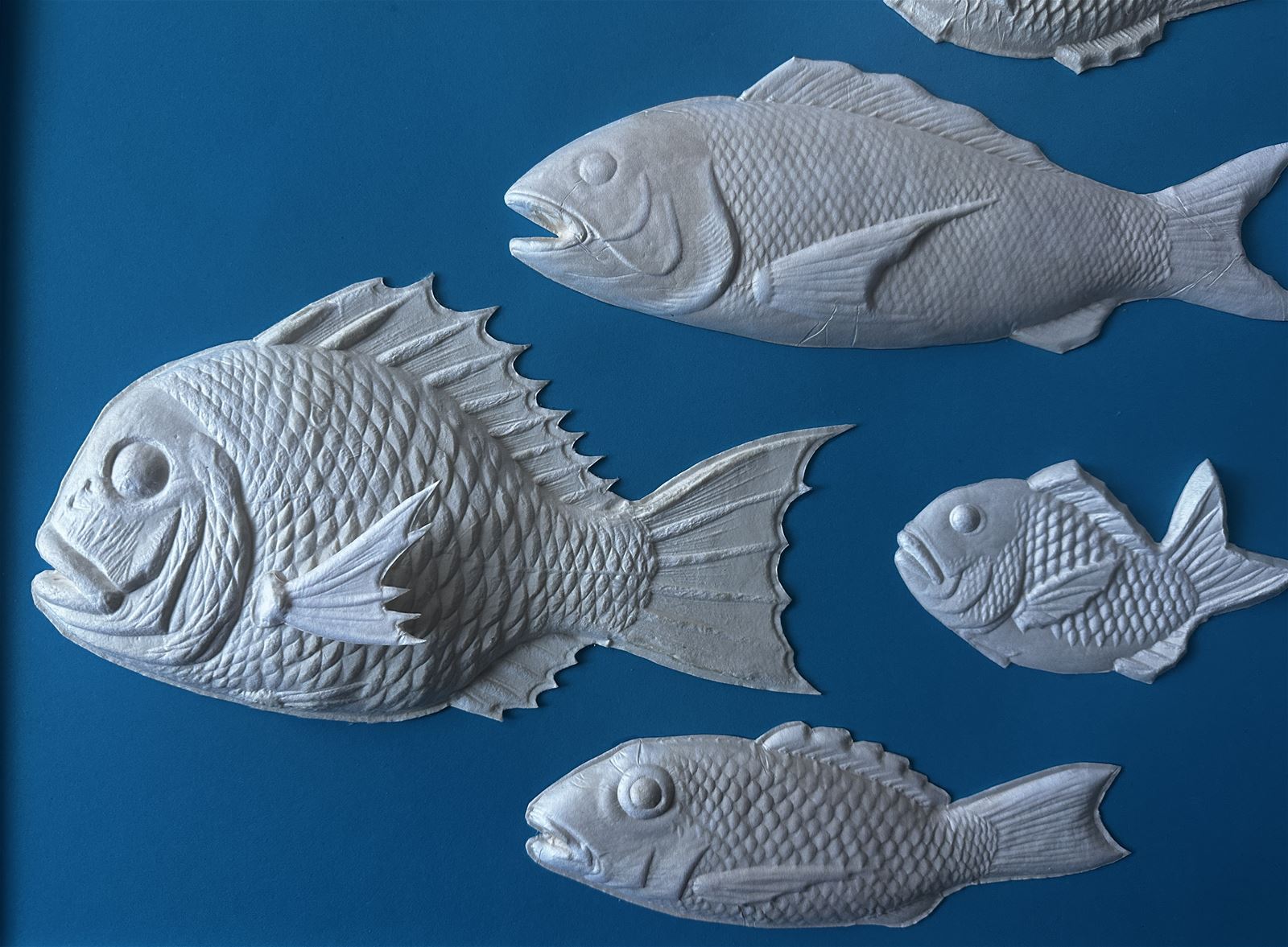
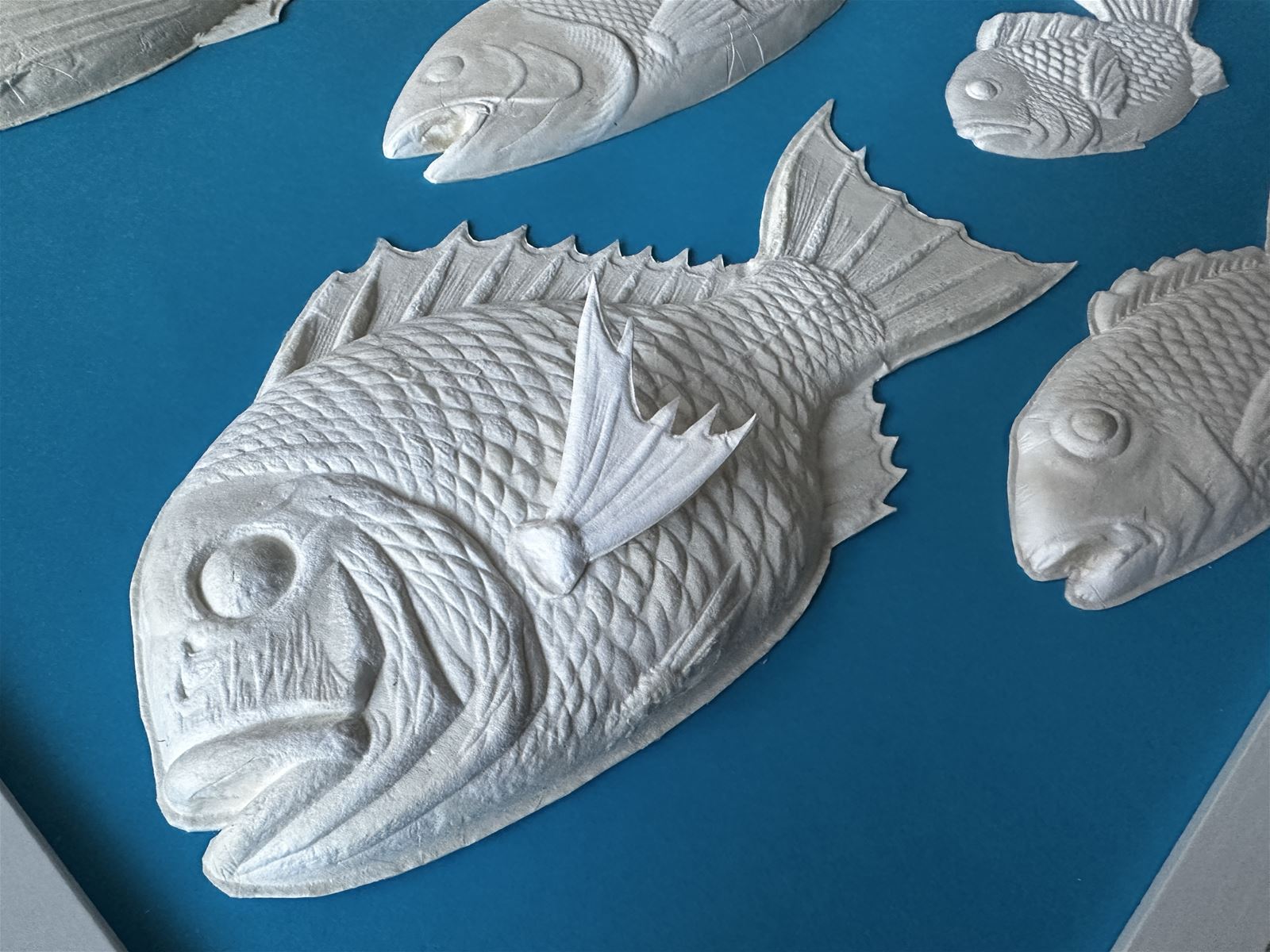
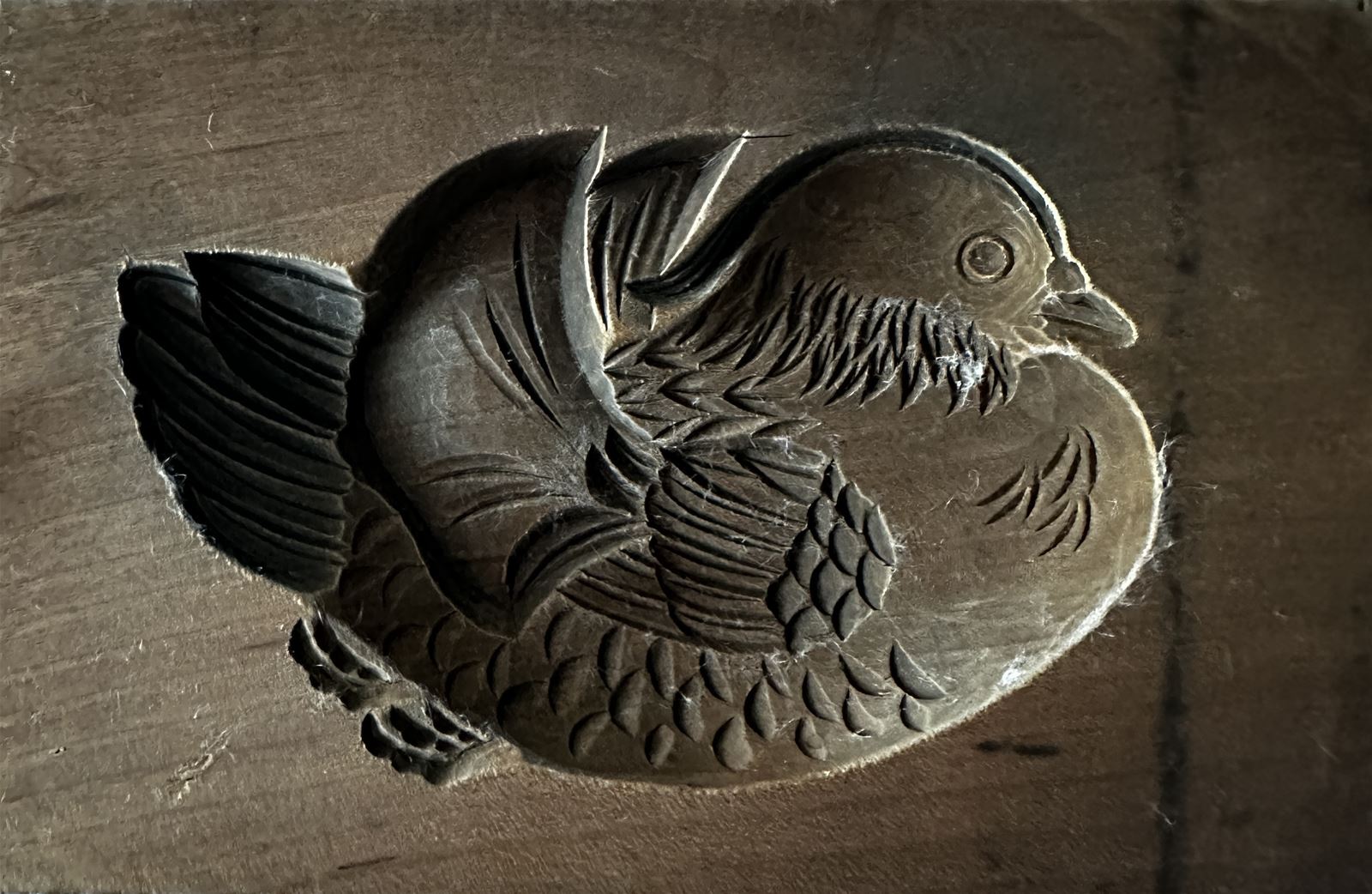
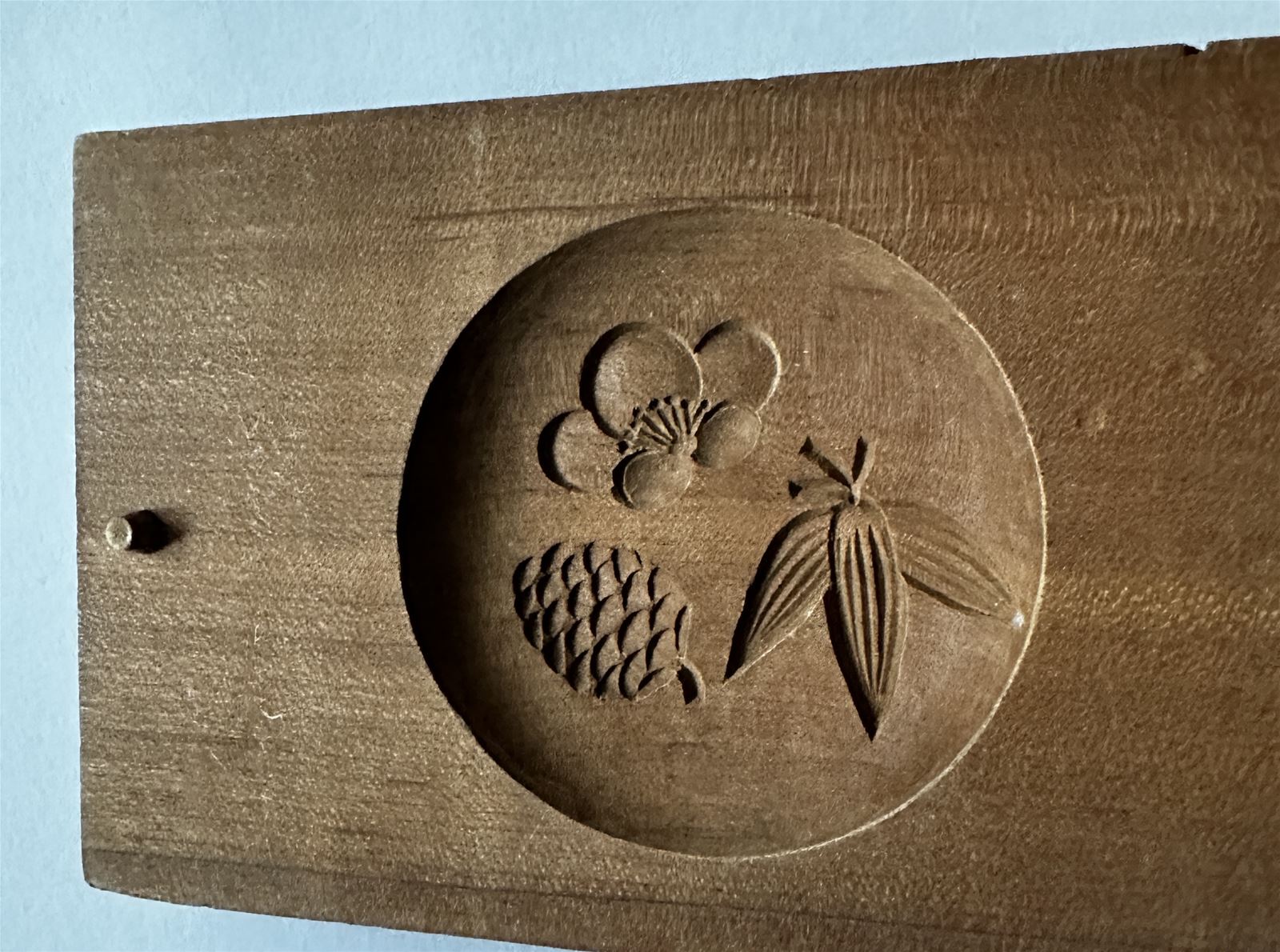
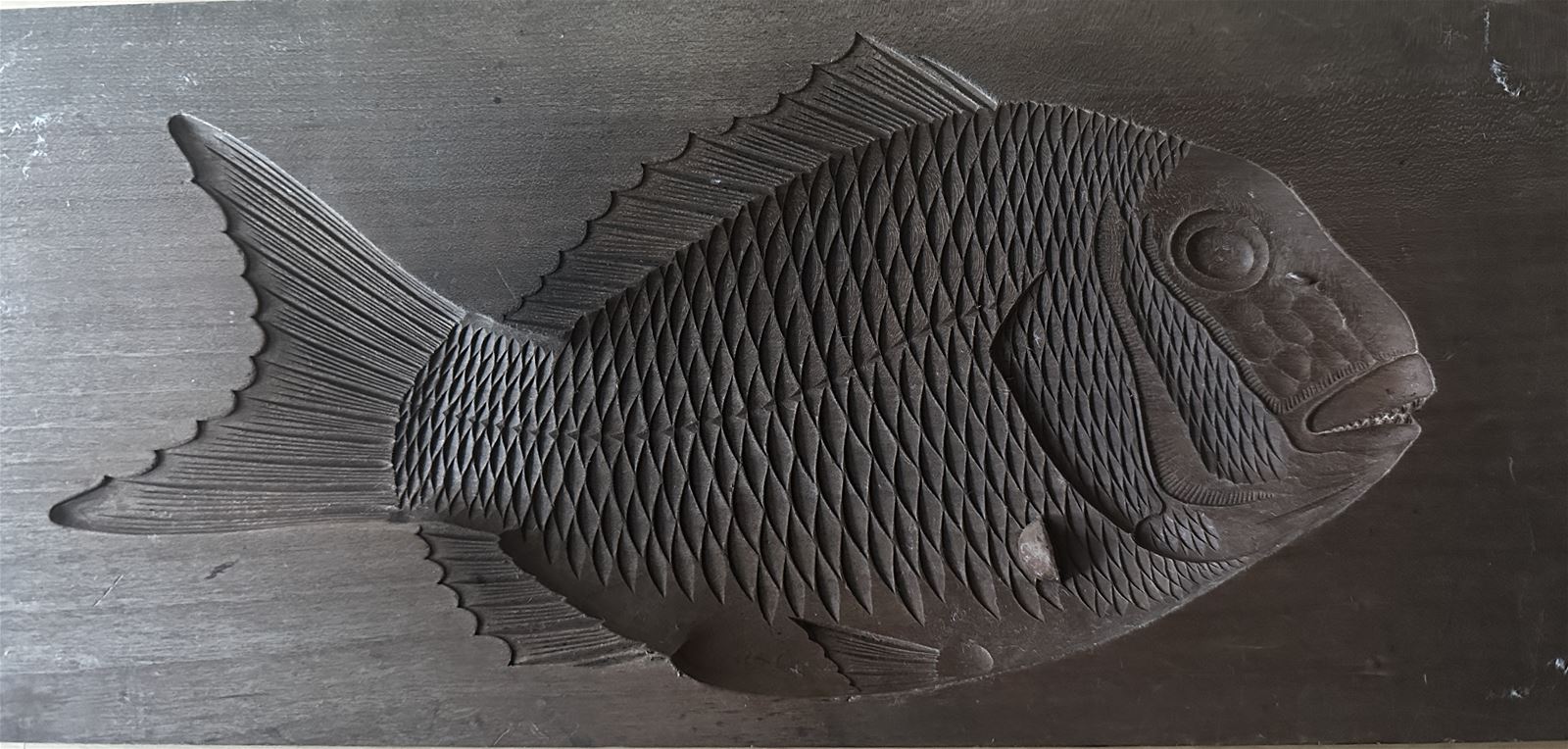
So it is with man and all his dwelling places here on earth.” 1And what about everyday objects, one might ask. Wooden hand-carved molds for traditional Japanese sweets such as wasanbon and rakugan, which until recently were an indispensable part of every confectioner’s workshop, have largely fallen out of use today. As even conservative and tradition-oriented Japan continues to change and evolve, so too do its customs and social rituals, such as weddings and other celebrations. And since nowadays only very few people order the traditional symbol of happiness—a large red sea bream made of sugar—for weddings, molds for this type of confectionery are becoming, at best, decorative objects, and in other cases collectors’ items. Klára Poskočilová has decided to breathe new life into them.
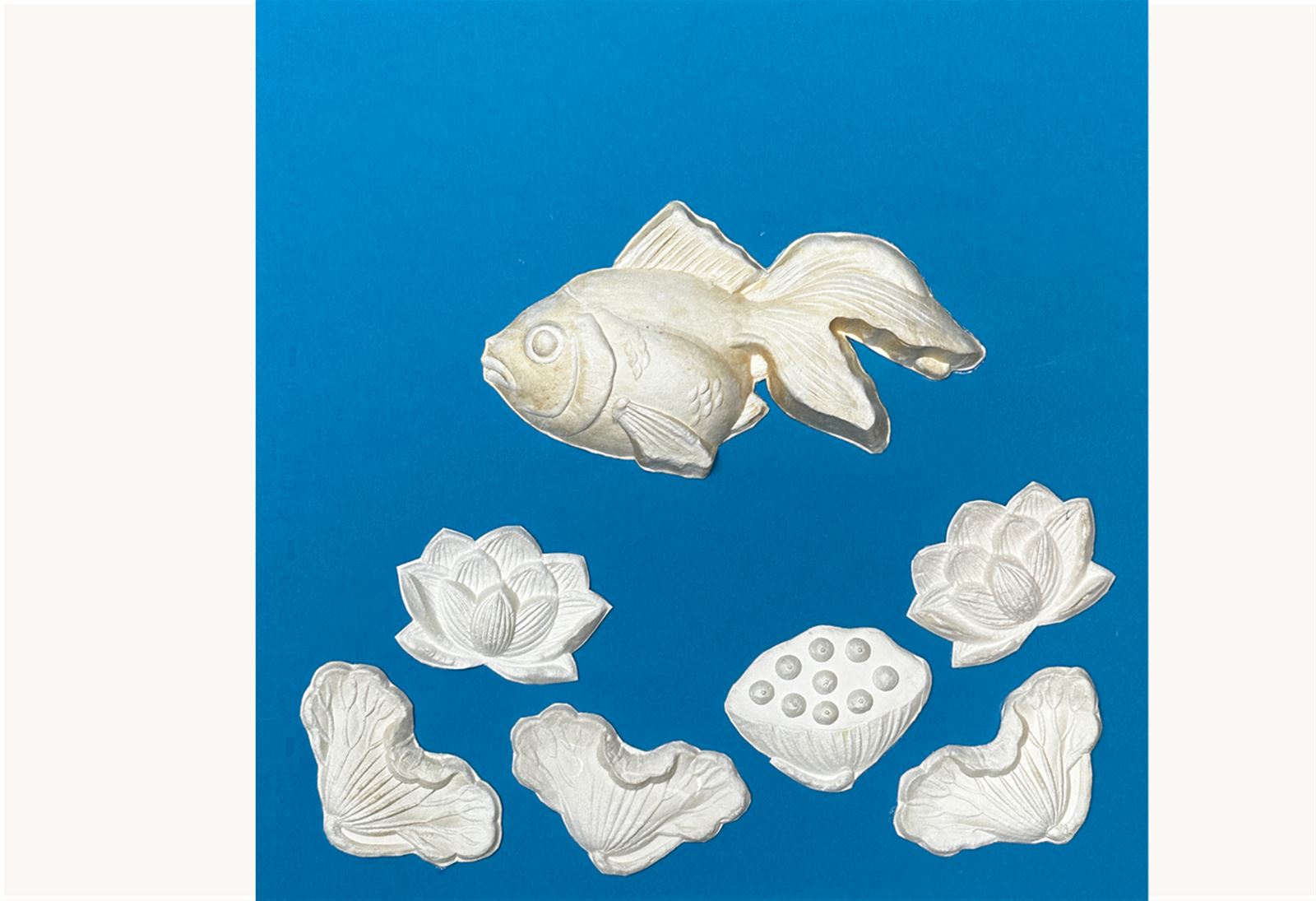
Her inspiration is the artist and designer Tetsuya Nagata, who developed this technique and whose masterful work adorns many hotels and shops throughout Japan.
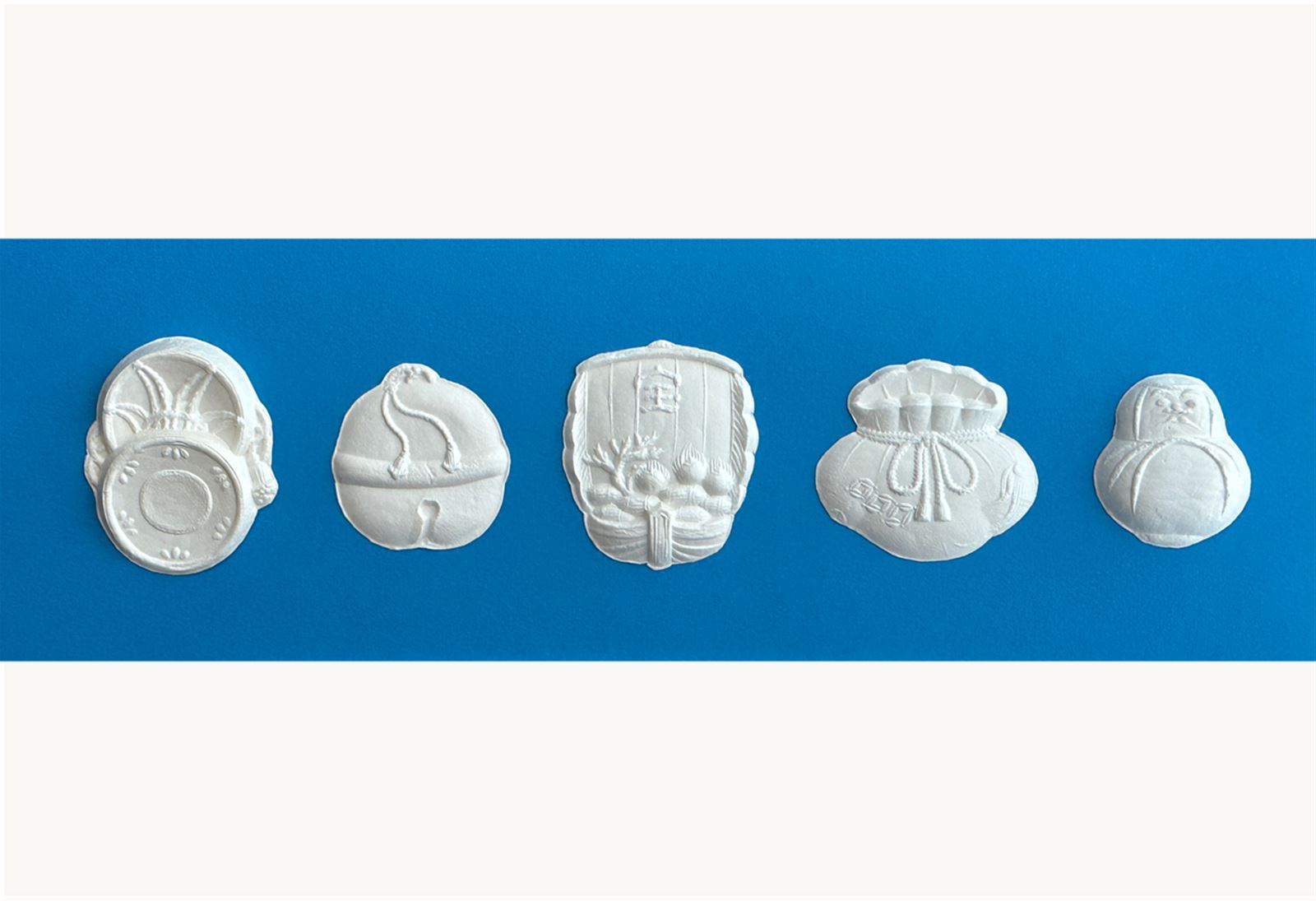
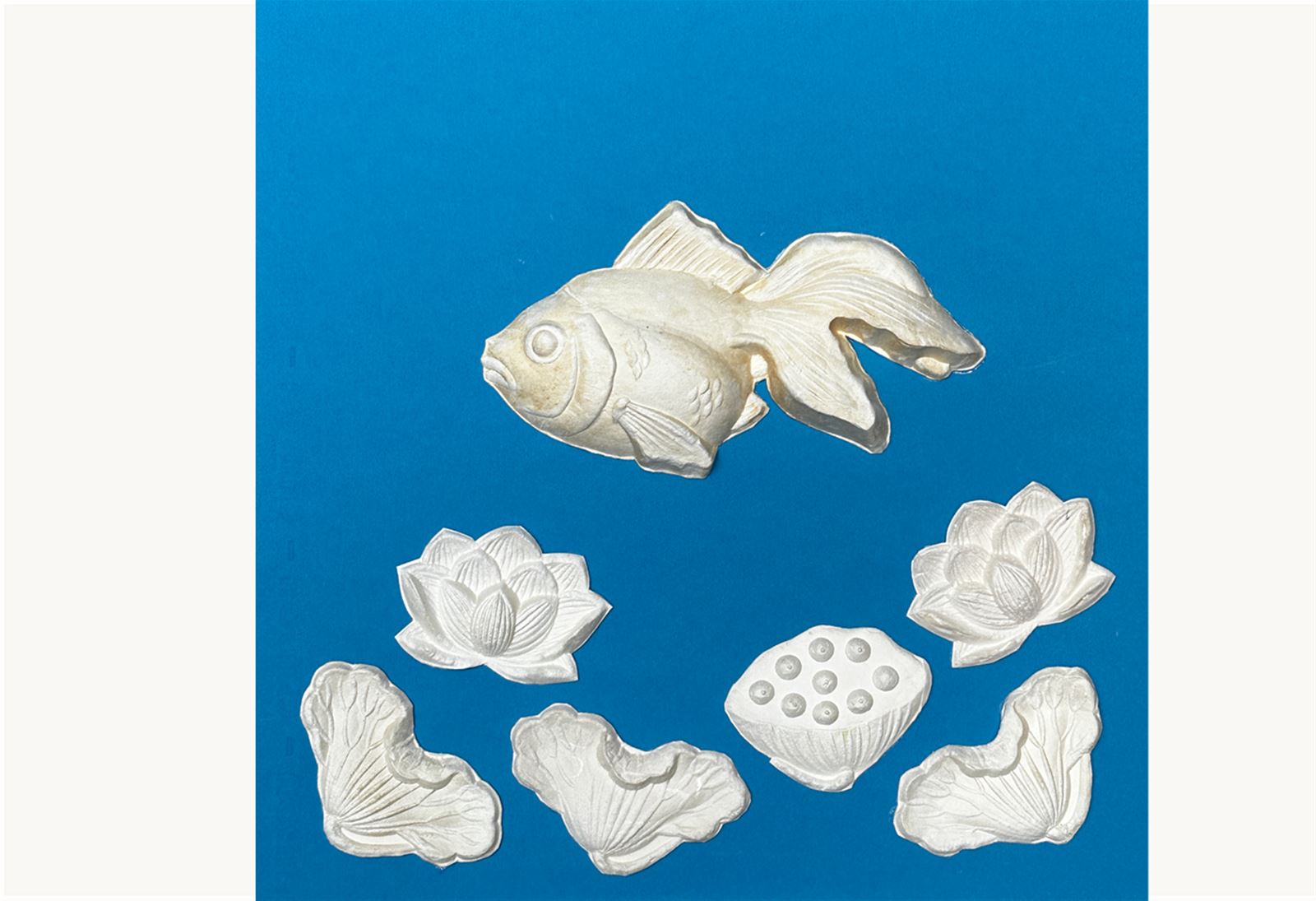
By combining the use of old wooden molds with Japanese handmade paper, artistic sculptures are created that allow us to admire the craftsmanship and attention to detail of both the traditional Japanese confectioners and the master carvers who made these molds. Here, sugar is replaced by paper, which, as it hardens, acquires a three-dimensional “memory,” allowing the molds to “remember” the shapes the sweets once took. The rich Japanese symbolism embedded in wagashi confectionery thus continues to convey its meaning.
And since the theme of this year’s Eigasai Festival is the transmission of emotions “from heart to heart,” we have chosen this exhibition as part of the accompanying program.
[1] (Hōjōki by Kamo no Chōmei, translation Yasuhiko Moriguchi and David Jenkins)
Klára Poskočilová (Kotobi kashi)
She has been devoted to the study and production of traditional Japanese sweets (wagashi) for sixteen years, drawing inspiration from her study trips focused on confectionery in Japan. Her customers include Japanese residents living in the Czech Republic, and her sweets have even been tasted by the Mayor of Kyoto. She also encountered traditional wooden molds during a visit to the woodcarver Yoshihiro Ichihara in the city of Takamatsu (Shikoku).
She became acquainted with the artistic technique of kiokugami through a 28-minute documentary produced by NHK, in which the technique was presented by Tetsuya Nagata himself. The practical application of the technique, however, she had to master on her own.
In addition to producing wagashi, she serves as Vice-Chair of the Czech–Japanese Society, Program Director of the Eigasai Festival, and a specialist in the creation, maintenance, and use of traditional costumes in Kyōgen theatre. In her civilian life, she works as a civil engineer.